

Mazda Cx-60 Phev Cost Savings
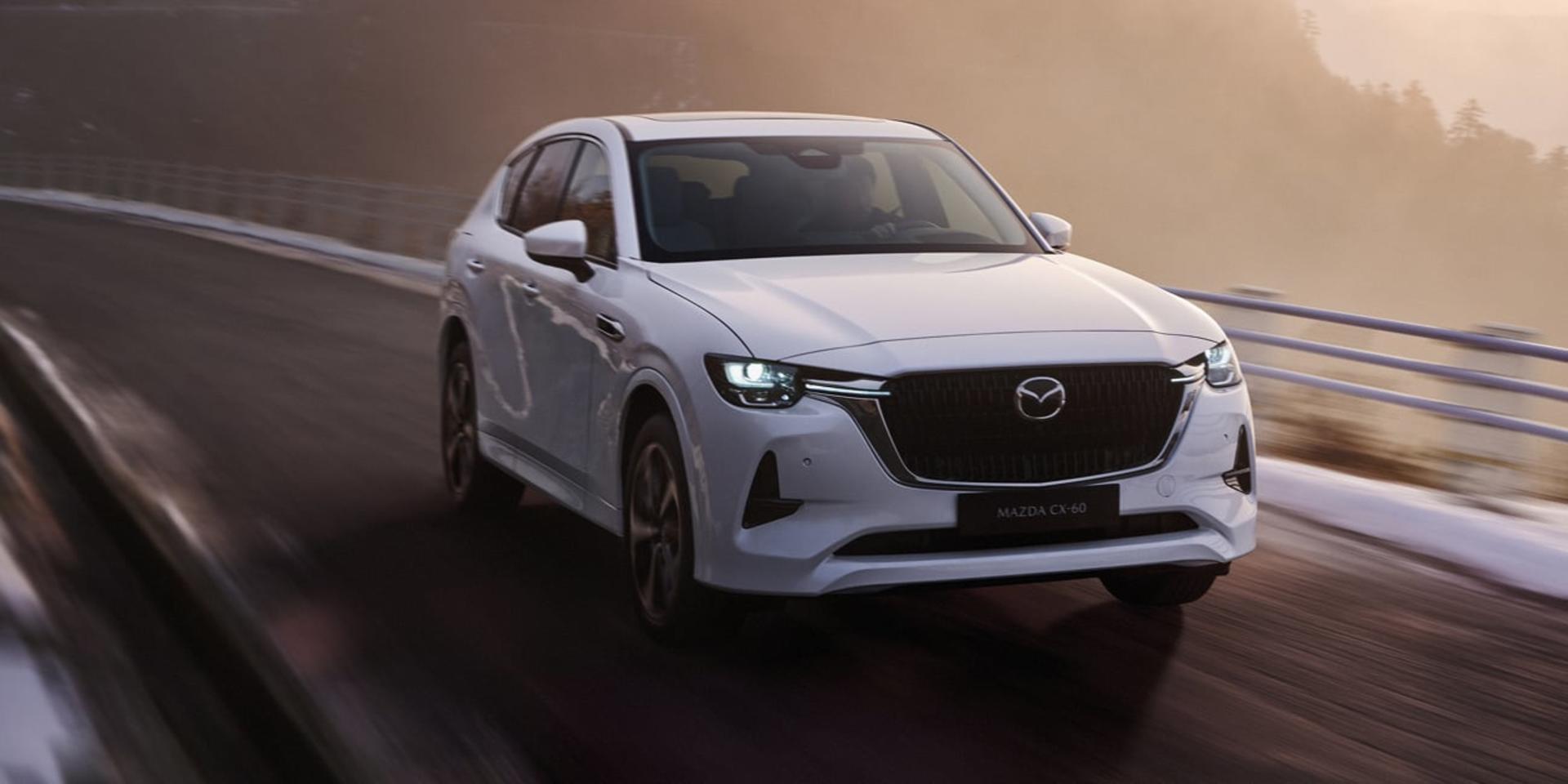
Does the Mazda CX-60 PHEV Actually Save You Money? A Practical Cost Breakdown
Higher petrol prices make running costs harder to ignore. For Adelaide drivers who spend much of the week commuting, completing school runs or making shorter suburban trips, the amount spent at the pump can add up quickly.
The Mazda CX-60 PHEV approaches that expense differently. It combines petrol power with a rechargeable battery and electric motor, which allows many shorter trips to use electric power instead.
So, does it actually save money? Mazda CX-60 PHEV running costs depend heavily on how you drive and how often you charge. For the right household, the difference can become significant.
How the Mazda CX-60 PHEV Uses Petrol and Electricity
The CX-60 PHEV pairs a 2.5-litre petrol engine with a 17.8 kWh battery and electric motor. Together, the system produces 241 kW and 500 Nm.
Mazda quotes up to 76 kilometres of electric-only driving and official combined fuel consumption of 2.1L/100km. Actual results change according to battery charge, temperature, traffic, load and driving habits.
The Mazda CX-60 plug-in hybrid can therefore handle many short Adelaide trips without relying heavily on petrol. The petrol engine remains available once the battery charge drops or your trip extends beyond the electric range.
Where the Biggest Fuel Savings Can Happen
A PHEV makes the strongest financial case when drivers actually use its battery.
An Adelaide commuter travelling 20 or 30 kilometres each way may complete a large share of the working week through electric driving. School runs, shopping and local appointments can also sit comfortably within Mazda’s quoted electric range.
Longer drives change the equation. A weekend trip outside Adelaide will call on the petrol engine once available electric energy falls. You still gain the flexibility to keep driving, but petrol consumption becomes a larger part of the trip.
This explains why PHEV vs petrol cost savings in Australia can vary considerably between households. Two owners can drive the same CX-60 and record very different running costs.
Home Charging Has a Major Effect on the Numbers
Owners can charge the CX-60 PHEV through a suitable household socket or compatible AC charger.
Mazda quotes around 8.5 hours for a full charge through a 10-amp household socket. A 7.2 kW AC charger can reduce the time to around 2.5 hours under suitable conditions.
Home electricity prices depend on your energy retailer and plan. Solar can change the calculation further if you charge while your system generates enough electricity.
Public charging offers another option, though the price per kilowatt-hour may exceed some household tariffs. RAA Charge currently lists off-peak metropolitan AC charging at 33 cents per kWh and country AC charging at 35 cents per kWh.
Regular home charging usually gives owners greater control over their energy costs.
Why the Official Fuel Figure Needs Context
Mazda quotes 2.1L/100km for the CX-60 PHEV under official testing. That figure assumes substantial use of the charged battery.
A driver who plugs in frequently can keep petrol consumption low across shorter trips. A driver who rarely charges will use the petrol engine much more often.
That distinction matters when comparing the PHEV against the petrol CX-60. Mazda currently quotes 7.4L/100km for the G40e petrol mild hybrid.
The PHEV therefore has the potential to reduce petrol use considerably, but charging behaviour determines how much of that potential reaches your household budget.
What About Servicing and Maintenance?
The CX-60 PHEV contains a petrol engine alongside its electric components, so owners still need scheduled servicing.
Electric operation can reduce the amount of time the petrol engine works during shorter trips. Regenerative braking also recovers energy during deceleration and can reduce reliance on conventional braking in some driving conditions.
However, a PHEV still requires tyres, brakes, suspension care, fluids and manufacturer-specified maintenance.
Buyers should compare current service pricing rather than assume that the PHEV automatically costs less to maintain.
Purchase Price Matters Too
Running costs only tell part of the financial picture.
The amount you save on fuel needs to sit alongside the purchase price, finance expenses, insurance, home charger installation and the length of time you plan to own the vehicle.
A driver who saves money each week but changes vehicles after a short ownership period may not recover a higher initial expense. A household keeping the vehicle for several years has more time for lower energy costs to add up.
The Mazda CX-60 SUV range gives buyers several powertrains to compare against the same driving routine.
Who Has the Strongest Case for a CX-60 PHEV?
The CX-60 PHEV makes the most financial sense for drivers who have reliable charging access and complete plenty of shorter trips.
Adelaide families can use electric power for school runs and local errands, then use petrol for longer weekend travel. Commuters can also reduce petrol consumption when their regular distance fits comfortably within the available electric range.
Frequent highway drivers may see a smaller difference because the petrol engine will contribute more often.
Does the Mazda CX-60 PHEV Save Money?
Yes, it can.
The strongest savings come from regular charging and frequent electric driving. Owners who leave the battery low will miss much of the financial advantage.
The CX-60 PHEV therefore rewards a specific ownership pattern. Charge it often, use its electric range for regular travel and let the petrol engine handle the longer distances.
Edwardstown Mazda can help you compare the CX-60 powertrains against your normal weekly kilometres and arrange a test drive.
Frequently Asked Questions
Does the Mazda CX-60 PHEV save money?
What are Mazda CX-60 PHEV running costs?
Is a PHEV cheaper to run than a petrol SUV?
How much fuel can the Mazda CX-60 PHEV save?
Can I charge the Mazda CX-60 PHEV at home?
Does a plug-in hybrid increase electricity bills?
Can the CX-60 PHEV handle long-distance travel?
What affects PHEV cost savings the most?
More Blogs For You


← Swipe →