

Mazda CX-80 PHEV vs Diesel
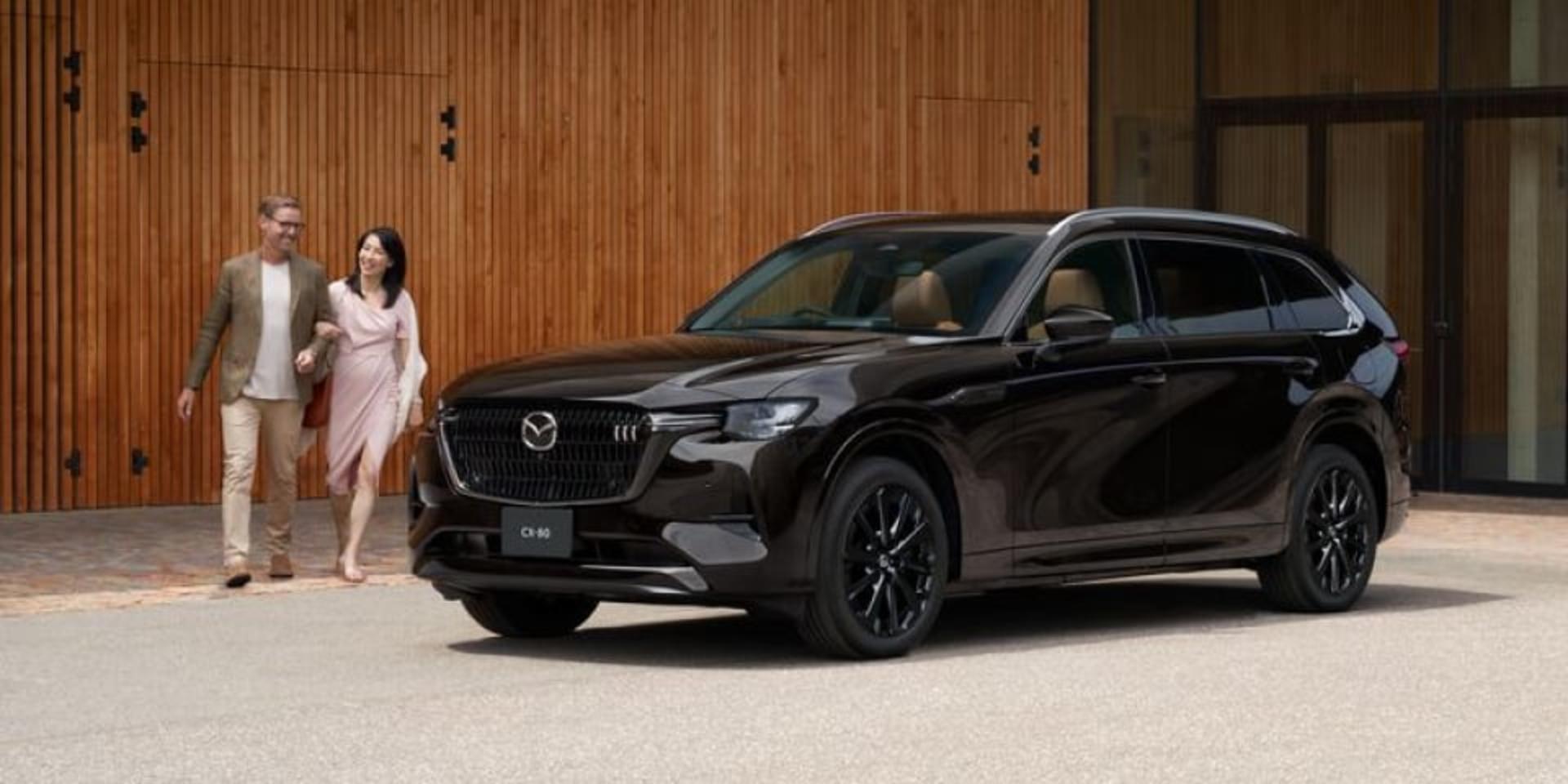
Which 7-Seat Mazda Is Cheaper to Run?
Running costs matter when your family SUV handles school runs during the week and longer South Australian drives on weekends. The Mazda CX-80 gives buyers two very different ways to manage those kilometres.
The PHEV can use electricity for shorter trips before its petrol engine takes over. The diesel focuses on efficient highway travel and quick refuelling. For buyers comparing the Mazda CX-80 PHEV vs diesel, the better financial option depends on how and where you drive.
How the Two CX-80 Powertrains Compare
The Mazda CX-80 offers a 2.5-litre plug-in hybrid and a 3.3-litre inline-six mild hybrid diesel.
The PHEV produces 241 kW and 500 Nm. Mazda quotes up to 65 km of electric driving from its 17.8 kWh battery. The diesel produces 187 kW and 550 Nm, with official combined fuel consumption of 5.2L/100km.
Those figures already point to different strengths. The PHEV can cut petrol use across shorter daily travel, while the diesel gives high-kilometre drivers consistent efficiency without a charging routine.
Adelaide Commuting Can Favour the PHEV
A family that covers 20 to 50 kilometres through school runs, work and local errands can make strong use of Mazda Plug-in Hybrid technology.
Regular home charging lets the CX-80 complete many of those trips through electric power. Stop-start suburban traffic also gives regenerative braking more opportunities to recover energy.
The financial result depends on your electricity tariff and charging habits. A PHEV that starts most mornings with enough battery charge can use far less petrol than one that rarely gets plugged in.
The Diesel Makes Sense for Regular Highway Travel
Families who spend more time travelling through regional South Australia may find the diesel easier to budget.
Mazda quotes 5.2L/100km from the D50e. Drivers can also refill quickly through Australia’s established diesel network.
The PHEV can continue driving after its electric range drops because the petrol engine takes over. However, frequent long trips reduce the share of kilometres covered through electricity.
For drivers who regularly travel hundreds of kilometres at a time, diesel can offer a simpler ownership routine.
Charging Costs Change the PHEV Equation
Mazda states that a household socket can fully charge the CX-80 PHEV in around 8.5 hours. A 7.2 kW AC charger can reduce that time to around 2.5 hours under suitable conditions.
Homeowners who can charge overnight may gain the strongest benefit. Households using solar during charging periods may reduce grid electricity use further.
Drivers without reliable home charging need to consider public charging costs and availability. That can narrow the PHEV’s financial advantage.
Servicing Costs Need a Broader View
Both CX-80 powertrains require scheduled servicing.
The PHEV contains a petrol engine alongside its battery and electric motor. Electric driving can reduce engine use during shorter trips, while regenerative braking can reduce reliance on friction brakes.
The diesel has its own engine and emissions-system maintenance requirements.
Current service pricing can change the ownership calculation, so buyers should compare scheduled costs for the exact variants they want.
Family Use Goes Beyond Fuel Economy
Both options give families access to six or seven seats, depending on configuration. Mazda also gives the CX-80 a five-star ANCAP rating and driver-assistance technology for family travel.
The PHEV can work particularly well for families whose weekday driving stays local. Diesel may suit households that spend more weekends towing or covering long highway distances.
Drivers comparing other New Mazda vehicles can also check if another size or powertrain better matches their routine.
Which CX-80 Is Cheaper for You?
The PHEV can lower daily energy costs when you charge frequently and use its electric range.
The diesel can create a stronger case for drivers who cover long distances and prefer straightforward refuelling.
Purchase price, electricity rates, annual kilometres, insurance and servicing all affect CX-80 running costs in Australia.
A proper comparison starts with your own weekly travel rather than one fuel economy figure.
You can Book a Mazda CX-80 test drive to compare both powertrains on the road. Buyers who want to compare repayment structures can also review available Mazda finance options.
Frequently Asked Questions
Is the Mazda CX-80 PHEV cheaper to run than the diesel?
What are the running costs of the Mazda CX-80 PHEV?
Does the Mazda CX-80 PHEV need charging every day?
Is the Mazda CX-80 diesel better for long-distance driving?
Can I charge the Mazda CX-80 PHEV at home?
Which CX-80 offers better long-term value?
More Blogs For You


← Swipe →